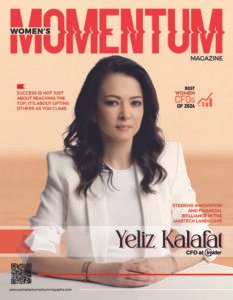
The path to becoming a CEO is demanding for any leader—yet women who rise to the top often do so while navigating a distinct set of expectations, biases, and structural barriers. Their success is not accidental; it is built on a foundation of resilience, strategic vision, and authentic leadership. This blueprint explores the qualities, strategies, and mindset that define today’s most impactful women CEOs—and how aspiring leaders can chart their own course to executive leadership.
The Rise of Women in the C‑Suite
Over the past decade, the presence of women in CEO roles has grown steadily—yet significant gaps remain. While more Fortune 500 companies are now led by women, the journey to the top continues to involve overcoming gender bias, limited sponsorship, and complex work-life integration. Despite these challenges, women CEOs are reshaping leadership through empathy, collaboration, and innovation—proving that a more inclusive approach fosters stronger cultures and sustainable performance.
Core Qualities of Impactful Women CEOs
Success at the highest level requires more than ambition—it calls for a distinct blend of capabilities that enable leaders to inspire, navigate complexity, and drive transformation.
1. Emotional Intelligence as a Strategic Advantage
High EQ enables women CEOs to manage teams with insight, resolve conflict constructively, and cultivate psychologically safe workplaces. This ability to lead with empathy doesn’t dilute authority—it strengthens trust, engagement, and organizational resilience.
2. Resilience Built Through Experience
Every successful woman CEO has faced setbacks, skepticism, and failure. What sets them apart is their capacity to learn, adapt, and return with greater clarity and conviction. Resilience isn’t just personal—it becomes a cultural asset that helps entire organizations navigate change.
3. Leading with Authenticity
Today’s most influential women CEOs lead as themselves—not as imitations of a traditional corporate mold. Authenticity fosters transparency, strengthens relationships, and empowers diverse teams to contribute fully. It turns leadership into a relatable, trust-based practice.
Actionable Strategies for Aspiring Women CEOs
Reaching the C‑suite requires deliberate preparation, strategic relationships, and continuous growth.
1. Build a Strategic Support Network
Success is seldom solo. Cultivate mentors, sponsors, and peer allies who provide guidance, advocacy, and honest feedback. View networking not as socializing, but as building a strategic ecosystem that supports your growth and opens doors.
2. Communicate with Authority and Clarity
Effective leadership depends on the ability to articulate vision, influence stakeholders, and drive alignment. Practice communicating with confidence—balancing conviction with collaboration—to ensure your voice shapes decisions and direction.
3. Commit to Lifelong Learning
The business landscape evolves constantly. Pursue executive education, industry certifications, cross-functional experience, and mentorship to stay ahead. A growth mindset ensures you lead from insight, not inertia.
Navigating Unique Challenges
Women CEOs often face distinct obstacles on their leadership journey. Acknowledging and preparing for these is key to sustained success.
1. Countering Bias with Consistent Excellence
Gender bias—whether overt or subtle—still influences perceptions and opportunities. Neutralize stereotypes by delivering consistent results, documenting achievements, and advocating for equitable evaluation and promotion practices.
2. Integrating Leadership and Life
Balancing executive responsibility with personal commitments requires intentional boundaries, delegation, and self-care. Reject the myth of “doing it all”—focus instead on doing what matters most, both professionally and personally.
3. Overcoming Imposter Syndrome
Even accomplished leaders can experience self-doubt. Counter it by reflecting on tangible achievements, seeking feedback from trusted mentors, and recognizing that leadership is a journey of growth—not perfection.
The Future Is Inclusive
The growing presence of women in the CEO role signals more than individual achievement—it reflects a broader shift toward leadership that values diversity, sustainability, and social impact. Companies led by women often prioritize stakeholder balance, ethical practices, and long-term resilience—qualities increasingly linked to outperformance.
Investors, boards, and employees are recognizing the strategic value of inclusive leadership. From tech and finance to healthcare and consumer goods, women CEOs aren’t just breaking barriers—they’re redefining what successful leadership looks like.
Conclusion: Own Your Leadership Journey
For every woman aspiring to executive leadership, remember: your path is yours to shape. Develop your strengths, build your network, and lead with purpose. The business world needs more leaders who combine vision with empathy, courage with integrity, and ambition with inclusivity.
Your journey isn’t just about reaching the top—it’s about lifting others as you climb, and leaving a legacy of meaningful, human-centered leadership.