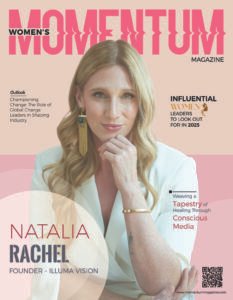
The philosophy behind 301 Organics is rooted in both science and symbolism, with its name reflecting the ideal 30:1 carbon-to-nitrogen ratio essential for healthy composting and soil regeneration. Beyond compost chemistry, the number three represents balance, resilience, collaboration, and the interconnected relationship between soil microbes, plants, and people, principles that shape the company’s approach to environmental restoration and community-centered recovery. The founder’s journey began in environmental consulting, working across government projects and large-scale developments as an environmental planner, analyst, and scientist. A pivotal experience during the refurbishment of the Victoria Golf Course in Carson, California, built over a landfill, exposed the long-term environmental impacts of waste disposal, methane generation, and groundwater contamination.
Waste Less Living was launched in 2008 as one of Southern California’s earliest zero-waste lifestyle and composting ventures, promoting composting and sustainable event practices long before supporting infrastructure existed. The initiative later expanded into schools and universities, where zero-waste programs and composting education helped build environmental awareness. Research into regenerative agriculture and biological soil restoration eventually led to an eight-year collaboration with the Rose Bowl Stadium, where food and green waste were transformed into compost and compost extracts through a closed-loop recovery system. The project demonstrated that biologically rich compost applications could strengthen turfgrass root systems and improve landscape health without chemical fertilizers. These experiences laid the foundation for 301 Organics and its current work in fire-impacted communities like Altadena, where compost-based bioremediation has helped restore soil health, rebuild microbial life, and reduce contamination across more than 50 wildfire-affected properties.
301 Organics challenges common misconceptions surrounding composting and organic waste by emphasizing that composting is far more than “making dirt.” It is a carefully managed biological process involving oxygen, moisture, microbial diversity, temperature, and carbon-to-nitrogen balance that creates living soil capable of restoring ecological health. The company also highlights that organic waste in landfills does not harmlessly decompose but instead generates methane, a potent greenhouse gas, whereas composting produces climate-positive soil amendments. 301 Organics further stresses that compost quality depends on biological richness, feedstocks, and process control, especially in post-fire landscapes where microbial communities have been damaged. California’s SB 1383 has further reinforced this mission by promoting organic waste diversion and compost use, validating the company’s long-standing approach of transforming waste into regenerative soil resources that support ecological resilience and carbon sequestration.
Central to the company’s strategy is the concept of a closed-loop system. Rather than transporting waste to distant facilities, organic material remains within the local community where it is transformed into compost and returned to the same landscapes that generated it. For fire survivors, this process becomes especially meaningful because charred branches, leaves, and organic debris from their own properties become part of the healing process that restores their soil and landscape. This localized system reduces emissions, lowers disposal costs, and turns waste management into resource management.
The company views composting as the gateway to regenerative ecosystems because it rebuilds the living biology within soil. Healthy soil contains complex microbial communities responsible for nutrient cycling, water retention, carbon storage, and plant health. In fire-damaged landscapes where the soil food web has been disrupted, compost applications help restore microbial diversity, improve infiltration, stabilize soil structure, and support native vegetation recovery.
"Composting isn't about making dirt—it's about rebuilding living ecosystems from the ground up."
Success at 301 Organics is measured through more than diversion metrics alone. The company evaluates how much organic waste is transformed into usable compost, how soil health improves through increased microbial activity and organic matter, and how landfill impacts are reduced. Equally important are community outcomes such as workforce development, public awareness, local partnerships, erosion reduction, and shifts in how residents perceive waste and stewardship.
What differentiates the company from traditional environmental consulting firms is its biology-first approach. Rather than focusing solely on soil chemistry, 301 Organics prioritizes soil biodiversity and the soil food web. The company bridges the disciplines of solid waste management, climate science, and soil restoration while training residents in composting, soil biology, and ecological recovery practices. This combination of science, community engagement, and regenerative principles creates a systems-level approach rarely seen in conventional consulting models.
Looking ahead, 301 Organics envisions decentralized composting systems becoming vital community infrastructure across neighborhoods, schools, faith centers, and fire-impacted regions. These localized systems would support workforce development, regenerative landscaping, erosion control, and climate resilience while giving communities greater ownership of their organic waste. The company’s approach combines science, policy, and community engagement by prioritizing trust-building, education, and citizen participation in environmental recovery efforts. 301 Organics also believes developing nations have a unique opportunity to build stronger, community-based composting systems from the beginning, keeping nutrients, jobs, and economic benefits within local communities while promoting healthier soils and urban ecosystems.
Emerging trends in environmental consulting are increasingly focused on localized circular systems, biology-based remediation, regenerative landscapes, community-driven infrastructure, and transparent data practices. The field is evolving from simple waste management toward broader resource regeneration and ecological resilience. By viewing organic waste not as trash but as biological material waiting to be reactivated, communities can reduce emissions, restore soils, strengthen food systems, and create more resilient environments for future generations.
Women’s Momentum Magazine spotlights women in business who create momentum, overcome challenges, and grow their businesses with purpose. Through authentic storytelling, we share their achievements, boost visibility and credibility, and inspire executives, emerging leaders, and entrepreneurs—turning real-world journeys into lessons that guide, motivate, and shape the future of global business.