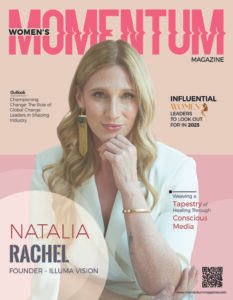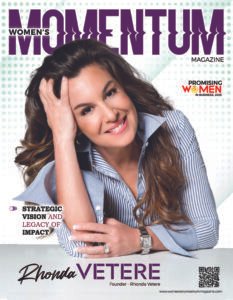
Women’s leadership is undergoing a profound transformation in 2025—moving beyond simply breaking barriers to actively redesigning the architecture of power itself. Driven by systemic change, evolving mindsets, and visionary leaders, women are rewriting the rules of leadership in boardrooms, policy circles, and beyond. This shift is not just about access to power; it’s about reimagining how power is exercised in a more inclusive, connected world.
Let’s explore the key trends fueling this transformation and their real-world impact.
9Data-Driven Equity: From Bias to Objective Opportunity
Forward-thinking organizations are replacing subjective decision-making with systematic tools—psychometric assessments, 360-degree feedback, and external pay audits—to dismantle bias in hiring and promotions. This evidence-based approach ensures talent rises on merit, creating a fairer pathway for women to advance into leadership.
8Flexible Work as a Leadership Catalyst
Hybrid and remote models have evolved from temporary fixes into powerful enablers of women’s career progression. By supporting work-life integration, flexibility allows talented women to sustain leadership trajectories without sacrificing personal responsibilities, turning retention into advancement.
7Beyond Mentorship: The Rise of Strategic Sponsorship
Leadership development is becoming more intentional. Companies are moving beyond informal mentorship to structured sponsorship programs, high-visibility projects, and executive coaching. These initiatives provide the advocacy and exposure needed to propel women into the C-suite and board positions.
6Leading in Future-Focused Sectors
Women are increasingly at the forefront of high-growth fields such as technology, sustainability, and fintech. Targeted STEM initiatives, inclusive hiring, and equity-focused venture funding are helping women claim leadership roles in the industries defining tomorrow.
5Policy and Institutional Acceleration
Governments and institutions are acting as catalysts through measures like board quotas, pay transparency laws, and enhanced parental leave. Such policies are accelerating women’s advancement, particularly in growing sectors like SMEs, where representation is becoming a benchmark of modern governance.
4The Economic Imperative: Performance Through Parity
Research continues to affirm that gender-diverse leadership teams drive stronger profitability, innovation, and organizational resilience. In 2025, equality is not just a moral aim—it’s a measurable business advantage, fueling the strategic push for balanced leadership.
3Global Snapshot: Progress and Persistent Gaps
- India: Priya Nair’s appointment as CEO of Hindustan Unilever marks a milestone, yet 63% of Indian companies still lack women in critical leadership roles—highlighting both advance and inequality.
- Australia: Women now lead key economic institutions including the Reserve Bank, Treasury, and Productivity Commission, signaling a decisive shift in policy-level influence.
- United Kingdom: Despite improvements, FTSE 350 firms are projected to fall short of gender parity targets in 2025, with women still overrepresented in support roles rather than profit-and-loss leadership.
2Building an Inclusive Leadership Future
Strategies Leading Organizations Are Using:
- Setting measurable goals for senior representation, backed by accountability.
- Fostering sponsorship cultures and intentional allyship across all levels.
- Implementing supportive policies such as inclusive parental leave, pay transparency, and true flexibility.
Shifting Leadership Norms:
A new generation of leaders—empathetic, purpose-driven, and inclusive—is redefining success. Principles like mental wellbeing, authentic confidence, and advocacy are entering the mainstream, supported by movements such as HeForShe and leadership programs focused on holistic empowerment.
1Redefining Power in 2025 and Beyond
The future of women’s leadership is being shaped by data, policy, culture, and performance. While progress is visible, sustaining momentum requires committed structural change—backed by ambitious targets, supportive ecosystems, and a broader definition of what leadership looks like.
The journey toward equitable leadership is no longer just an ethical pursuit; it is an economic blueprint for a resilient, innovative, and inclusive global economy. Power is being redefined—not as dominance, but as collaboration; not as control, but as service; not as exclusion, but as collective strength. In this new paradigm, everyone leads.